
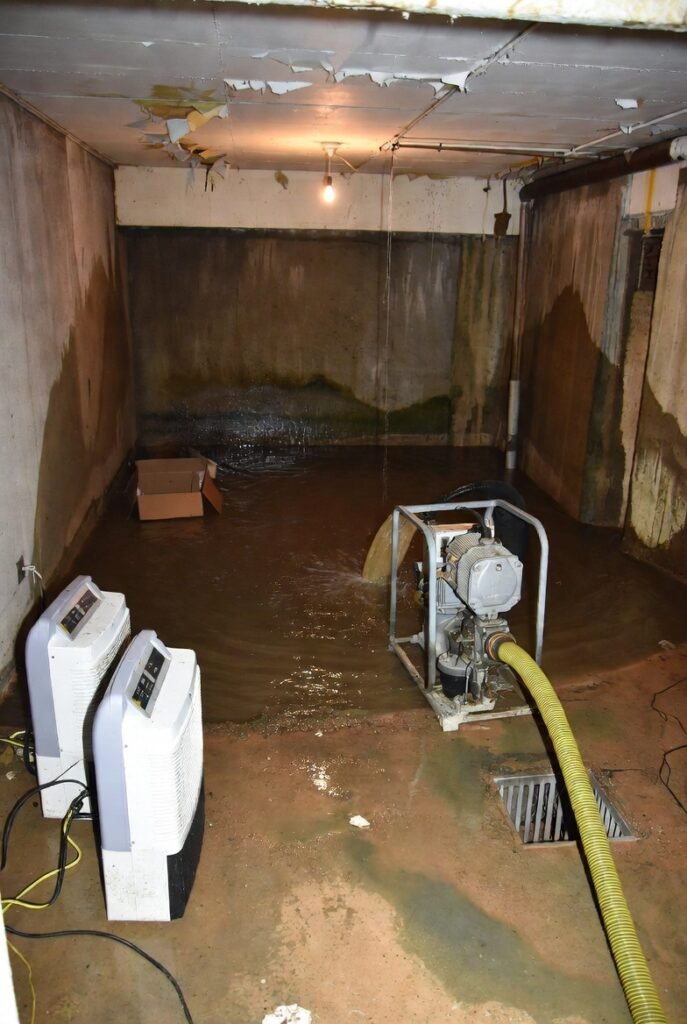
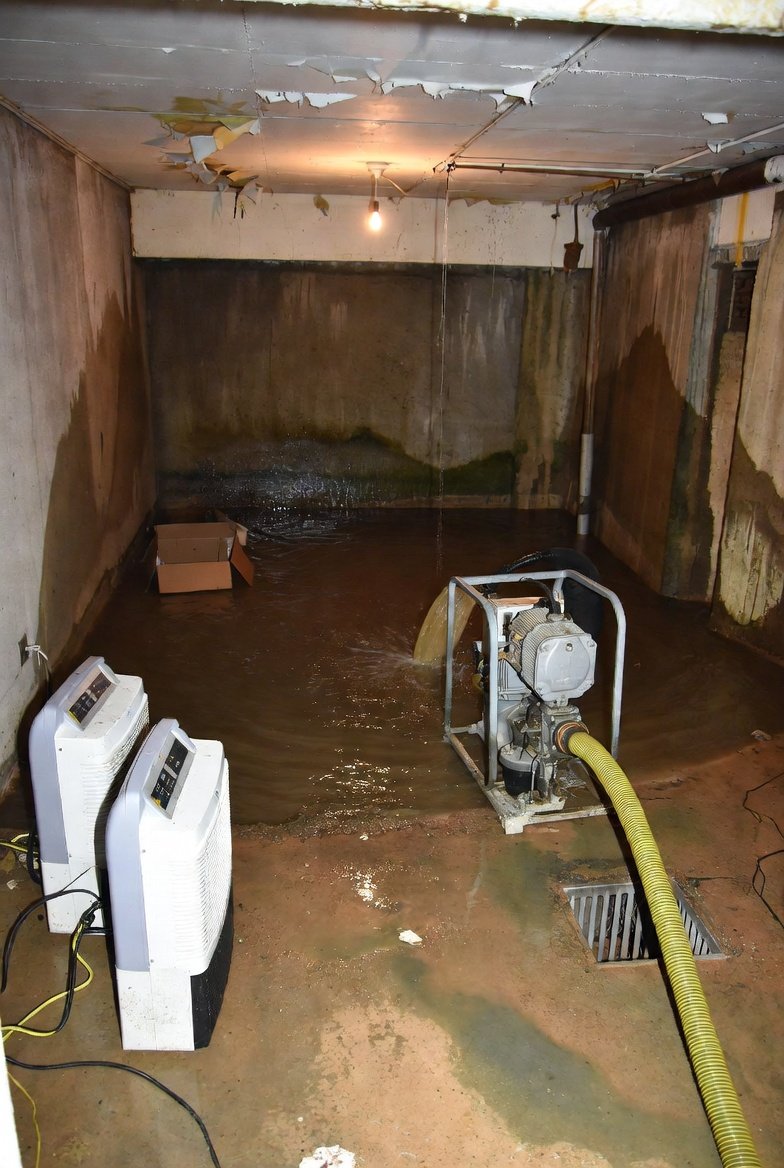
Basement Water Leak: The Crack Is Often the Symptom — Not the Cause
A homeowner sees water coming through a crack.
They seal the crack.
The leak returns — just somewhere else.
That’s not coincidence.
Most basement water leaks are not crack problems.
They are Hydrostatic Pressure problems.
The crack is simply the pressure relief point.
If pressure isn’t controlled, sealing visible entry points only shifts the failure.
The Three Real Sources of Basement Water Leaks
Before any repair decision, identify which system is failing.
1️⃣ Hydrostatic Pressure (Groundwater Intrusion)
When soil becomes saturated:
- Water fills the soil voids
- Lateral pressure builds against foundation walls
- The wall-floor seam becomes the relief point
Concrete is porous. It resists water — it does not repel it.
Under sustained pressure, groundwater migrates toward:
- Wall cracks
- Pipe penetrations
- Slab cracks
- The Cove Joint (wall-to-floor seam)
⚠️ If water appears along the perimeter seam after rainfall, pressure is almost always involved.
Broader flooding behavior:
basement flooding
2️⃣ Surface Water Routing Failure
This is not groundwater pressure.
This is poor water direction.
Common causes:
- Downspouts discharging within 2–3 feet
- Negative yard slope
- Blocked window wells
- Clay soil trapping runoff
These leaks occur during heavy rain only.
Fix the routing, not the foundation.
Drainage overview:
3️⃣ Internal Plumbing or Condensation
Not all “leaks” are structural.
Clues:
- Water appears without rainfall
- Moisture localizes near pipes
- Humid summer air causes sweating
- HVAC condensation drips
Always isolate plumbing before assuming groundwater.
The Cove Joint: The Most Misdiagnosed Leak Point
The cove joint exists because:
- Walls and slabs are poured separately
- It is a natural cold joint
- Shrinkage creates micro gaps
Under hydrostatic load, water does not “break through.”
It travels laterally until it finds the seam.
Interior systems redirect seam pressure:
Exterior systems
Visual Model: How Pressure Actually Works
Imagine this sequence:
- Soil becomes saturated
- Lateral force builds against wall
- Water migrates through porous concrete
- Pressure concentrates at cold joints
- Seam becomes visible leak
Sealing step 4 without relieving step 2 fails long-term.
Leak Pattern Recognition (What Behavior Tells You)
Symptom | What It Means | Layer to Address |
Perimeter seam leak after storms | Hydrostatic pressure | Perimeter drainage |
Leak shifts location | Pressure unresolved | System imbalance |
Efflorescence spreading | Long-term moisture migration | Drainage + vapor control |
Water without rainfall | Plumbing / condensation | Internal repair |
Single heavy storm event | Surface overload | Grading & downspouts |
This table eliminates guesswork.
Efflorescence: The Quiet Warning
White mineral residue = moisture movement.
It means water is traveling through the wall.
It does not always mean active dripping.
Painting over it traps vapor and accelerates damage.
Pro Tip: Efflorescence is pressure evidence, not just cosmetic staining.
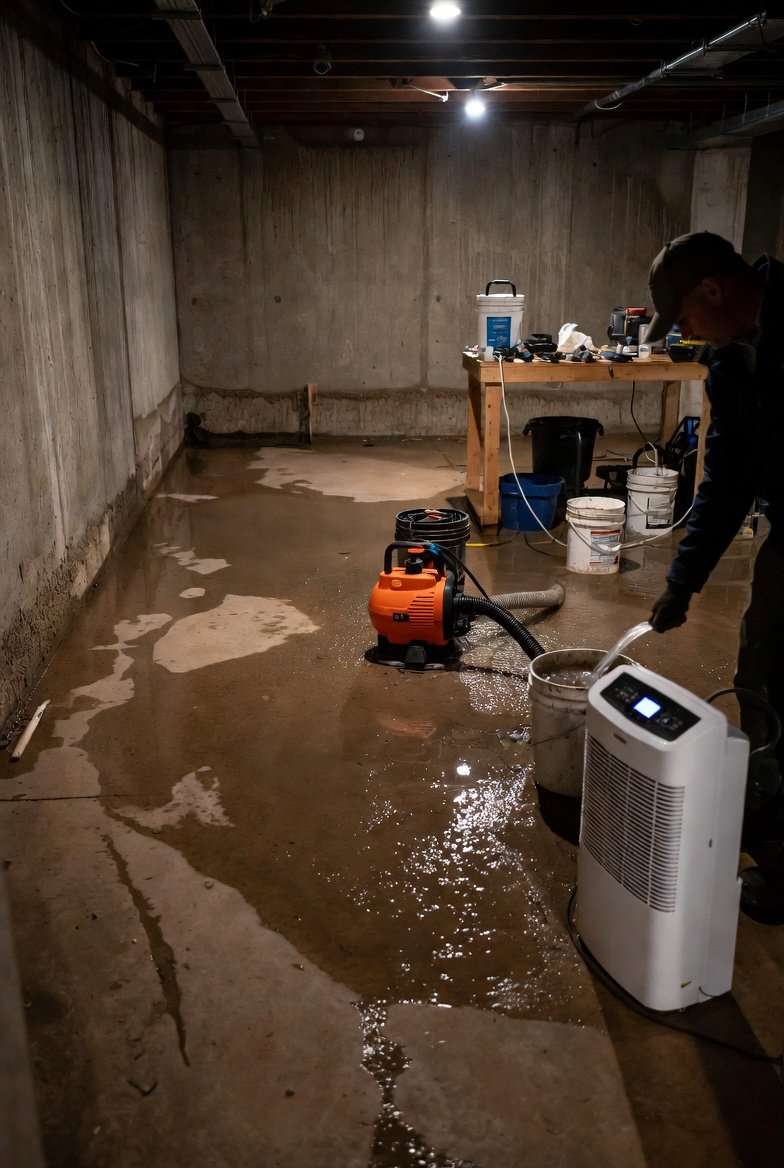
Cost Signal (Without Cannibalizing Cost Pages)
Ignoring recurring leaks typically leads to:
- Cleanup events: $1,500–$7,000
- Mold remediation: $2,000–$6,000
- Finished basement damage: $5,000–$20,000
Full layered drainage systems often range:
- Minor correction: $500–$2,000
- Interior system: $3,000–$10,000
- Exterior excavation system: $8,000–$15,000+
Exact breakdown:
This page clarifies cause.
Cost pages break down numbers.
Why Crack Sealing Alone Often Fails
It works only if:
- Pressure is minimal
- Soil saturation is controlled
- Surface routing is corrected
If pressure remains:
- Leak relocates
- Floor seepage replaces wall seepage
- Mold forms behind finishes
Cracks are relief valves.
Pressure is the engine.
Simple Diagnostic Tests (Before Major Repairs)
- Extend downspouts 6–10 feet
- Tape paper along cove joint before storm
- Monitor humidity during dry weather
- Shut off plumbing supply temporarily
Diagnosis first. Repair second.
When a Leak Is NOT a Drainage Failure
- Moisture appears without rain
- Leak is localized near fixtures
- Foundation recently penetrated
- Issue is seasonal humidity only
Always eliminate internal causes first.
Layered Control Model (How Real Fixes Work)
Water control is layered:
- Surface grading
- Downspout extension
- Interior or exterior perimeter drain
- Sump discharge
- Battery backup redundancy
Sump guidance:
basement-sump-pump-installation
If leaks recur, one layer is overloaded.
⚠️ Safety Reminder
Do not enter standing water if:
- It approaches electrical panels
- You suspect sewage contamination
- Water depth exceeds ankle height
IICRC classifies contaminated floodwater as Category 2 or 3 depending on contamination level.
Treat unknown water as unsafe.
FAQ
How do I know if water is hydrostatic pressure or plumbing?
If leaks correlate with rainfall, pressure is likely. If moisture appears without rain, investigate plumbing.
Can waterproof paint stop pressure leaks?
No. Paint does not relieve hydrostatic pressure.
What maintenance prevents recurring leaks?
Keep downspouts extended, clear window wells, inspect sump discharge annually.
Why does the leak move?
Pressure redirects to the weakest available seam.
Can condensation mimic foundation leaks?
Yes. High humidity causes wall sweating.
Is a cove joint leak serious?
Yes, because it indicates pressure imbalance.
What is hydrostatic pressure?
Lateral groundwater force against foundation walls during soil saturation.
Do all leaks require excavation?
No. Some require surface routing correction or interior redirection.
When should I call a professional?
If leaks recur, worsen, or affect finished spaces.