
Interior Basement Waterproofing: When Inside Solutions Work—and Where They Stop
Introduction
Interior basement waterproofing is often presented as either a shortcut—or a cure-all.
In reality, it’s neither.
Interior systems are structurally specific tools, designed to manage certain types of water behavior—not every form of basement waterproofing moisture.
When used in the right conditions, interior waterproofing can deliver stable, long-term moisture control with minimal disruption.
When used outside its limits, it may reduce symptoms while leaving the real problem untouched.
This guide explains:
- How interior basement waterproofing actually works
- What problems it’s designed to solve
- Where its boundaries are
- How to tell if an inside-only approach fits your basement
What Interior Basement Waterproofing Is Designed to Do
Interior basement waterproofing does not try to make concrete waterproof.
That distinction matters.
Concrete and masonry are naturally porous. When groundwater pressure builds outside the foundation, moisture migrates inward through microscopic pathways.
Interior systems accept this reality and focus on control rather than resistance.
Their purpose is to:
- Relieve hydrostatic pressure
- Capture moisture where it predictably appears
- Redirect water safely away from the structure
- Prevent uncontrolled seepage into finished or storage areas
In short, interior waterproofing manages water after it reaches the foundation—but before it causes damage.
How Water Actually Moves Into a Basement
(Why Interior Systems Exist)
Basement water problems don’t start inside.
They start in the soil outside.
As groundwater accumulates, pressure increases. Water follows the path of least resistance, usually through:
- Wall-to-floor joints
- Cold joints in poured concrete
- Porous block or masonry
- Hairline cracks that expand under pressure
Interior waterproofing systems are designed around this behavior.
Instead of fighting pressure head-on, they give water a controlled path to follow.
This pressure-relief logic explains why interior systems work well in some basements—and poorly in others.
Common Interior Basement Waterproofing Systems
(What’s Actually Installed)
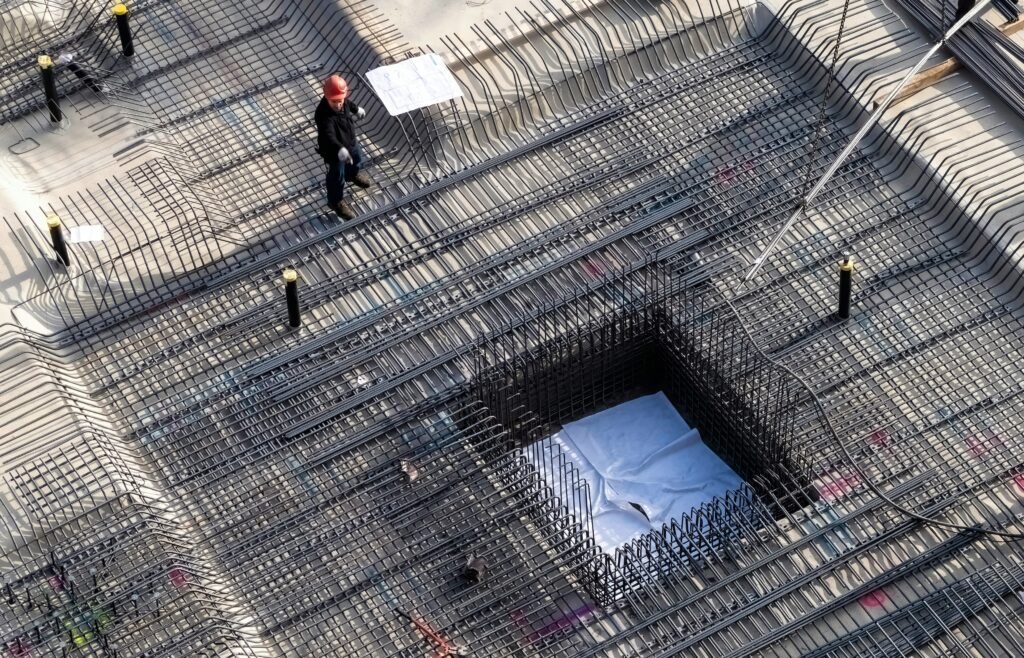
Interior waterproofing is not a single product. It’s a system category made up of coordinated components.
Interior Perimeter Drainage
Installed along the inside edge of the basement perimeter to intercept water where pressure typically appears first.
Designed to:
- Relieve sub-slab pressure
- Capture seepage at wall-floor joints
- Maintain continuous flow to discharge
Sump Pump Integration
Collected water must be actively removed.
Interior systems almost always rely on a sump pump, even if it’s downplayed in marketing.
Without discharge, drainage has nowhere to send water.
Wall and Joint Moisture Control
Some systems include wall membranes or channels that guide moisture downward into the drainage path.
These components don’t seal walls — they control where moisture appears.
When Interior Basement Waterproofing Works Best
Interior systems are effective when water intrusion follows predictable, pressure-driven patterns.
They’re usually appropriate when:
- Water enters along the wall-floor joint
- Seepage increases during heavy rain or snowmelt
- Hydrostatic pressure builds beneath the slab
- Foundation walls remain structurally sound
- Exterior excavation would be excessive for the problem
In these situations, pressure relief and controlled drainage outperform attempts to block moisture entirely.
The Structural Limits of Interior Basement Waterproofing
Interior waterproofing has hard boundaries. Ignoring them leads to disappointment.
Interior systems may not be sufficient when:
- Water penetrates through foundation walls above grade
- Exterior surface water pools against the foundation
- Foundation walls are cracked, shifting, or bowing
- Moisture is driven by exterior grading or drainage failures
In these cases, interior waterproofing may reduce visible water—but leave the underlying cause untouched.
That’s why interior systems should never be sold as universal solutions.
Interior vs Exterior Waterproofing
(Not a Competition)
Interior and exterior waterproofing aren’t rivals. They solve different structural problems.
Interior Waterproofing
- Manages pressure after water reaches the foundation
- Relieves stress instead of resisting it
- Minimizes excavation and disruption
- Focuses on control and predictability
Exterior Waterproofing
- Prevents water from contacting the foundation
- Addresses surface water and wall penetration
- Requires excavation and restoration
- Focuses on exclusion rather than redirection
Neither approach is inherently superior.
The correct choice depends on why water is entering, not where it appears.
Why Interior Waterproofing Is Often Recommended First
Interior systems are commonly recommended because they:
- Are less invasive
- Can be installed year-round
- Work well for pressure-driven seepage
- Cost less than exterior excavation
However, convenience does not equal suitability.
A responsible recommendation explains why interior control fits your water behavior—not just that it’s easier.
What Interior Basement Waterproofing Does Not Do
Interior waterproofing does not:
- Stop groundwater from existing outside the foundation
- Correct exterior grading or drainage failures
- Repair structural foundation damage
- Make concrete permanently waterproof
Its role is risk management, not elimination.
Understanding this prevents unrealistic expectations.
How Interior Waterproofing Changes Basement Conditions Long-Term
When properly designed and installed, interior systems:
- Reduce moisture variability
- Lower humidity spikes
- Prevent visible water accumulation
- Protect finished spaces and stored items
- Reduce long-term material degradation
They don’t promise a “dry forever” basement—but they create stability, which is often the real goal.
Cost Context
(Without Turning This Into a Pricing Page)
Interior basement waterproofing typically costs less than exterior systems because it avoids excavation and site restoration.
Costs scale with:
- Perimeter length
- Pump complexity
- Finished vs unfinished space
- Access conditions
Detailed pricing belongs in cost-specific guides, but understanding why interior systems cost less helps set realistic expectations.
How to Tell If Interior Waterproofing Fits Your Basement
Interior waterproofing is likely a good fit if:
- Water appears consistently along the perimeter
- Problems worsen seasonally
- Exterior excavation feels disproportionate
- Foundation structure is sound
If water intrusion is random, wall-based, or tied to exterior surface conditions, interior systems alone may not be enough.
Bottom Line
Interior basement waterproofing is a structural exception—not a shortcut.
When water intrusion is driven by pressure beneath or around the slab, inside-only systems can provide reliable, long-term control with minimal disruption.
When moisture is driven by exterior conditions