
Sump Pump Installation Cost: Typical Prices, What’s Included, and Why Costs Vary
Introduction
Sump pump installation cost is rarely about the pump itself.
Two homes can install what appears to be the same sump pump system and receive very different prices—not because of brand or horsepower, but because installation cost is driven by:
- Site conditions
- Labor scope
- System integration
This guide explains:
- Typical sump pump installation cost ranges
- How pricing is structured
- What’s included vs excluded
- Why estimates vary so widely
This is a cost-logic guide, not a product or contractor comparison.
Typical Sump Pump Installation Cost Range
In most residential homes, sump pump installation cost typically ranges from $1,200 to $4,000.
Some projects fall below this range, while others exceed it.
Why? Because “installation” can mean very different things:
- Dropping a pump into an existing pit
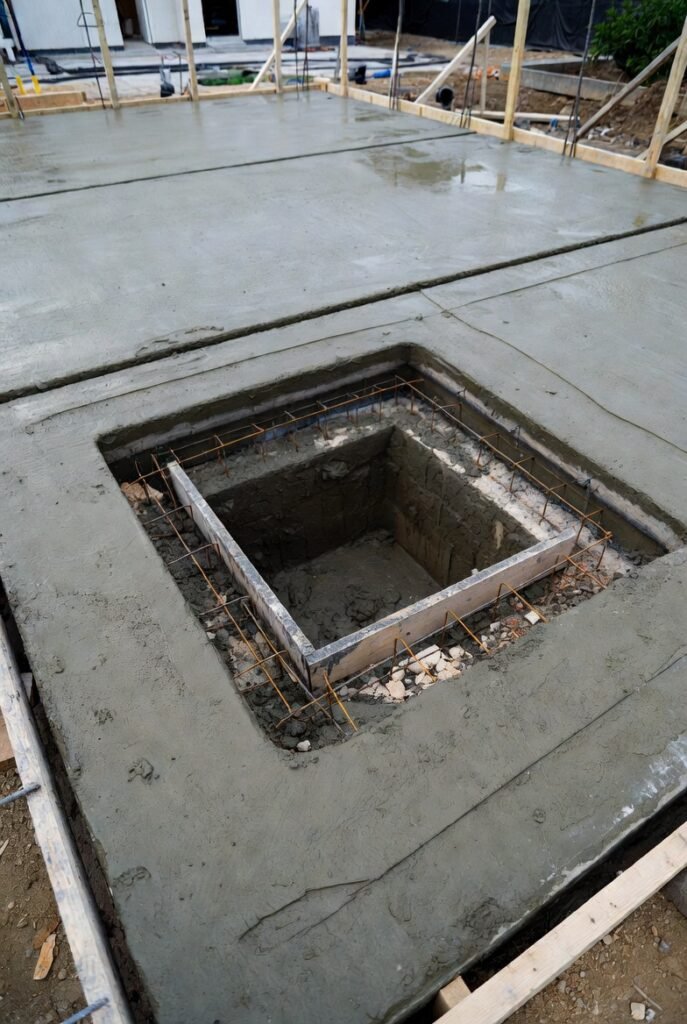
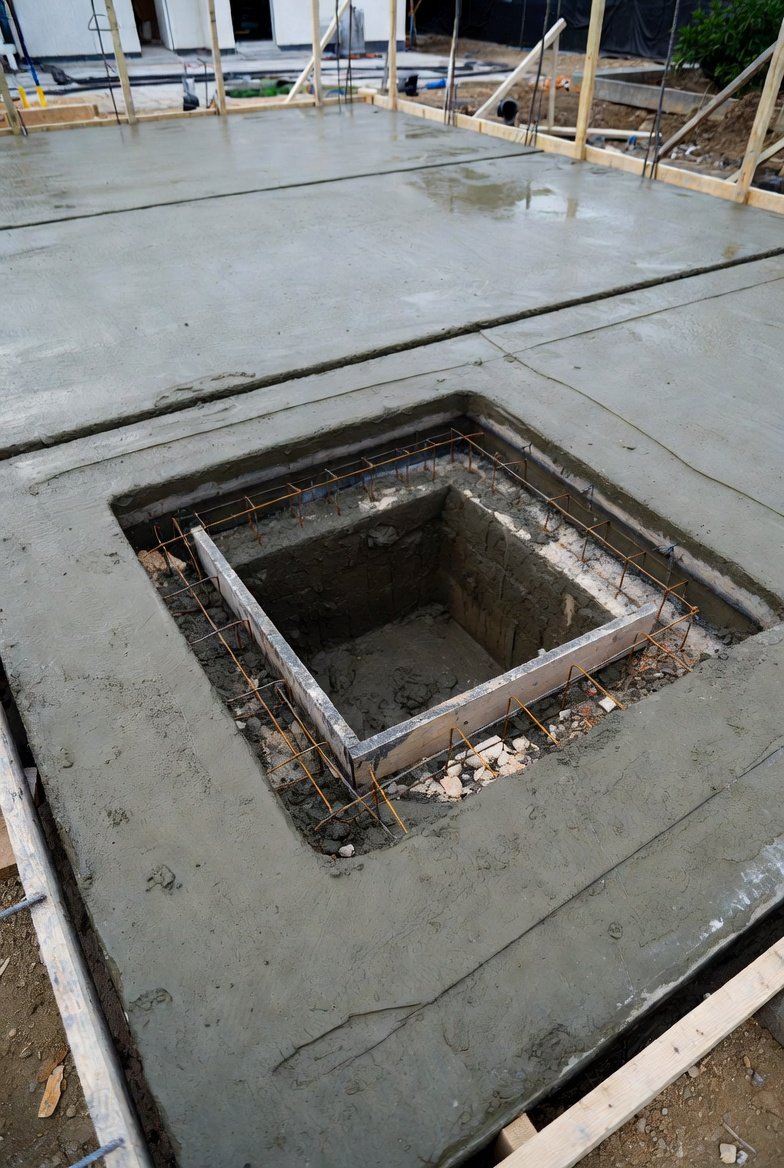
- Cutting concrete and excavating below the slab
- Installing a new basin and routing new discharge lines
In nearly all cases, the pump itself is not the primary cost driver.
Sump Pump Installation Cost by Scenario
The clearest way to understand pricing is by installation scenario.
Installation Scenario | Typical Cost Range |
Existing pit, pump replacement | $800 – $1,500 |
Existing pit, new pump + discharge updates | $1,200 – $2,000 |
New pit in unfinished basement | $1,800 – $3,000 |
New pit in finished basement | $2,500 – $4,000+ |
Complex discharge or electrical work | Upper end of range |
The more work required before the pump can operate, the higher the total cost.
What’s Included in Sump Pump Installation Cost
Most standard installation quotes include a bundled scope such as:
- Cutting or preparing the sump pit
- Installing the primary pump
- Connecting a discharge line to an exterior outlet
- Adding a check valve to prevent backflow
- Basic electrical connection
- Labor for excavation, fitting, and cleanup
If a usable pit and discharge already exist, pricing usually stays toward the lower end of the range.
What’s Not Included
(But Often Assumed)
Many homeowners expect sump pump installation cost to cover all basement water problems. It doesn’t.
Most quotes do not include:
- Interior drainage systems
- Exterior drainage or grading correction
- Foundation crack repair
- Waterproofing membranes
- Structural repairs
- Extended or specialized discharge routing
These belong to separate scopes and are priced independently.
Why Sump Pump Installation Cost Varies So Widely
1️⃣ New Installation vs Replacement
Replacing a pump in an existing pit is mostly mechanical.
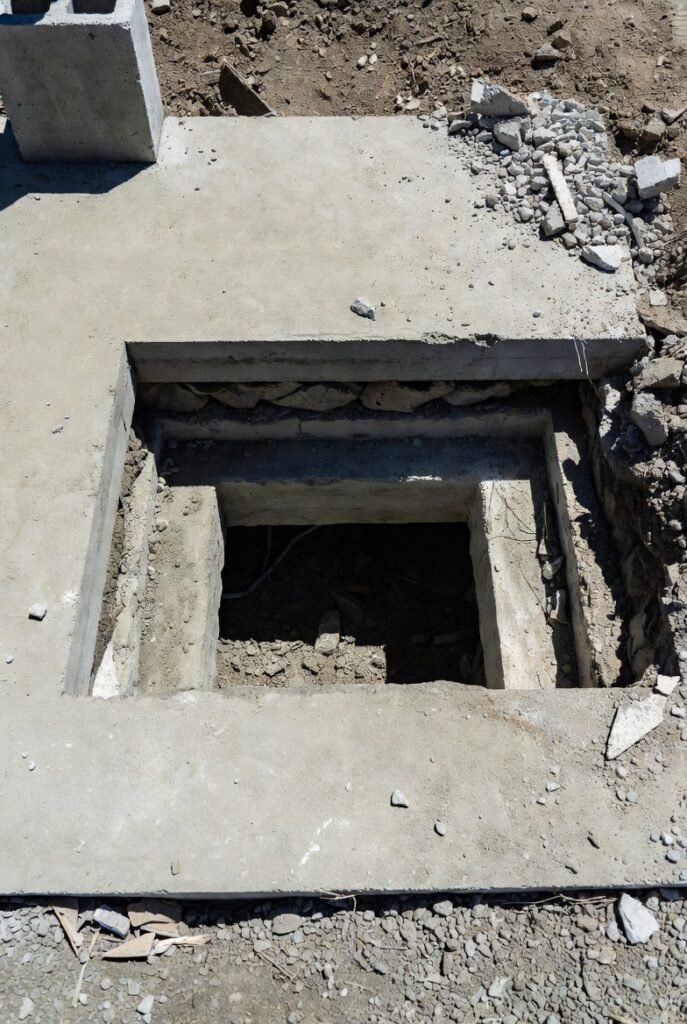
Creating a new pit is structural work.
New installations often require:
- Concrete cutting
- Excavation below slab level
- Basin placement and stabilization
That labor alone can double the price.
2️⃣ Basement Conditions and Access
Costs increase when:
- Slabs are thick or reinforced
- Basements are finished and require restoration
- Access is limited or cramped
Labor time is the largest variable in most installations.
3️⃣ Discharge Routing Complexity
Discharge routing is one of the biggest cost drivers.
Lower-cost routing
- Short distance
- Direct exterior exit
- Gravity-assisted flow
Higher-cost routing
- Long horizontal runs
- Elevation changes
- Obstacles requiring rerouting
- Frost-safe or extended discharge paths
A simple pump becomes expensive if water has nowhere easy to go.
4️⃣ Electrical Requirements
If a nearby outlet exists, electrical cost may be minimal.
If not, installation may require:
- New outlet placement
- Circuit modification
- Code-compliance work
Electrical upgrades push pricing toward the upper end of the range.
5️⃣ System Reliability Add-Ons
Some installations include additional components such as:
- Secondary pumps
- Alternate activation mechanisms
- Additional control hardware
These are optional system layers that increase cost but are not part of a basic install.
Pump Cost vs Installation Cost
(Critical Distinction)
Online pricing often focuses on pump price alone. That’s misleading.
- Pump cost is usually a small portion of total expense
- Installation cost reflects labor, preparation, and system integration
A low-cost pump installed under complex conditions can cost more overall than a higher-priced pump installed into an existing setup.
How Drainage Affects Sump Pump Installation Cost
Sump pumps depend on drainage paths to deliver water.
Homes with interior drainage already in place often see lower incremental cost because:
- Pit location is already defined
- Water routing already exists
- Less modification is required
Without drainage, sump installation may require additional work—or may provide limited benefit despite proper pricing.
Regional and Market Factors
Local conditions influence pricing:
- Labor rates vary by region
- Older housing stock often requires more preparation
- Seasonal demand affects availability and cost
National averages are useful for orientation, not precision.
Why Extremely Low Quotes Are Risky
Very low installation quotes often exclude:
- Proper basin depth
- Adequate discharge routing
- Electrical considerations
- Long-term system reliability
Lower upfront cost can lead to higher total expense if modifications are required later.
Bottom Line
What You’re Paying For
Sump pump installation cost isn’t about buying a pump.
It’s about creating a reliable exit path for water that has already arrived.
You’re paying for:
- Excavation and preparation
- System integration
- Discharge reliability
- Labor and compliance
Understanding these cost drivers makes pricing differences easier to interpret—and prevents surprises.